





Flex and Rigid-Flex Circuits PCB
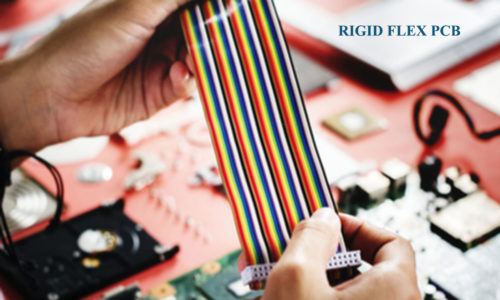
Rigid-flex circuits combine rigid boards and flexible circuits in one integrated assembly. The flexible sections, usually made of polyimide, can bend and fold, so the circuit can be shaped to fit the product instead of the product being shaped around the circuit. This makes flex and rigid-flex boards a dependable choice for aerospace, medical, defence, automotive and wearable products.
Benefits of flex and rigid-flex PCBs
- They fit into spaces where no other interconnect solution fits.
- They are light and thin, allowing large reductions in package size and weight.
- They replace wires, connectors and wire harnesses, which removes assembly errors and failure points.
- They handle vibration and repeated movement well, improving reliability.
Types of flexible circuits
- Single-sided flexible circuits
- Double-sided flexible circuits
- Sculptured flexible circuits
- Multilayer flexible circuits
- Rigid-flex circuits (rigid and flexible layers laminated together)
Where they are used today
Camera and sensor modules, wearables and hearing aids, medical probes and implants, automotive displays and ADAS cameras, satellites and avionics, and foldable consumer devices.
Design points to get right
- Bend radius: keep it generous (as a common rule of thumb, at least about 10 times the flex thickness for dynamic bends) and avoid vias and pads in bend areas.
- Stiffeners: add stiffeners under connectors and components on flexible areas.
- Copper routing: route tracks at right angles to the bend line and use hatched planes on flex layers.
- Early fabricator review: stack-up, materials and coverlay openings should be agreed with the fabricator before layout is finished.
Argus Technologies designs and manufactures flex and rigid-flex boards along with multilayer and HDI PCBs. Contact us for a free quote.
